
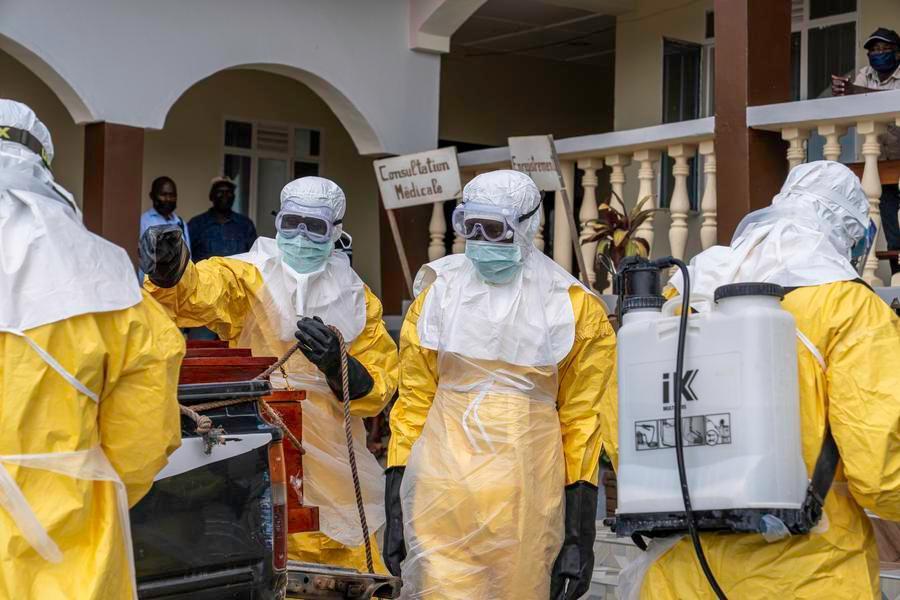
The Democratic Republic of the Congo (DRC) is facing one of the fastest-growing Ebola outbreaks in its history, and health experts are becoming increasingly concerned. According to the World Health Organization (WHO), approximately 80% of new Ebola infections are now coming from unknown chains of transmission, meaning health officials no longer know where many new infections are originating. This makes containing the virus significantly more difficult.
As of mid-July 2026, the outbreak has resulted in more than 1,900 confirmed infections and over 700 deaths, with cases spreading beyond the original affected areas into additional provinces and neighboring Uganda. Health authorities warn that the real number of infections could be much higher than official figures because many people are dying in their communities before being diagnosed.
Should South Africans Be Worried?
At present, there are no confirmed Ebola cases in South Africa linked to this outbreak.
However, South Africa is one of Africa’s busiest travel and business hubs. Every day, people travel between South Africa and several Central and East African countries for business, trade, education, humanitarian work and tourism. While the immediate risk to the general South African public remains low, health authorities continue to monitor the situation closely because imported cases are always possible during large outbreaks.
Why This Outbreak Is Different
Several factors make this outbreak especially concerning:
Can Ebola Spread Easily?
Unlike COVID-19, Ebola does not spread through the air.
The virus spreads through direct contact with:
- Blood
- Vomit
- Saliva
- Sweat
- Urine
- Other bodily fluids of an infected person
- Contaminated objects such as bedding, clothing or medical equipment
Because transmission requires close physical contact, outbreaks can often be controlled through rapid diagnosis, isolation, contact tracing and safe burial practices. Unfortunately, when transmission chains become unknown, these measures become much more challenging.
Is South Africa Prepared?
South Africa has one of the strongest public health systems on the continent and has experience responding to infectious disease threats. Airports, ports of entry and healthcare facilities have established protocols for identifying and managing suspected cases.
The National Institute for Communicable Diseases (NICD) and the Department of Health routinely monitor outbreaks across Africa and work closely with international partners such as the WHO to ensure preparedness.
What Can the Public Do?
There is no reason for panic, but there are good reasons to remain informed.
South Africans should:
- Follow updates from trusted health authorities.
- Avoid spreading misinformation on social media.
- Seek medical advice immediately if they develop symptoms after travelling to affected regions.
- Practice good hand hygiene and avoid direct contact with bodily fluids of sick individuals.
A Reminder That Disease Knows No Borders
The Ebola outbreak in the DRC is a reminder that infectious diseases can quickly become regional
Discover more from Beads Magazine
Subscribe to get the latest posts sent to your email.